
Balayage, and what to ask before you book
Balayage is lightener painted on by hand, so the result depends on the hand more than on the product. It grows out softly, which is why people choose it, and it still needs a plan for upkeep.
What it is
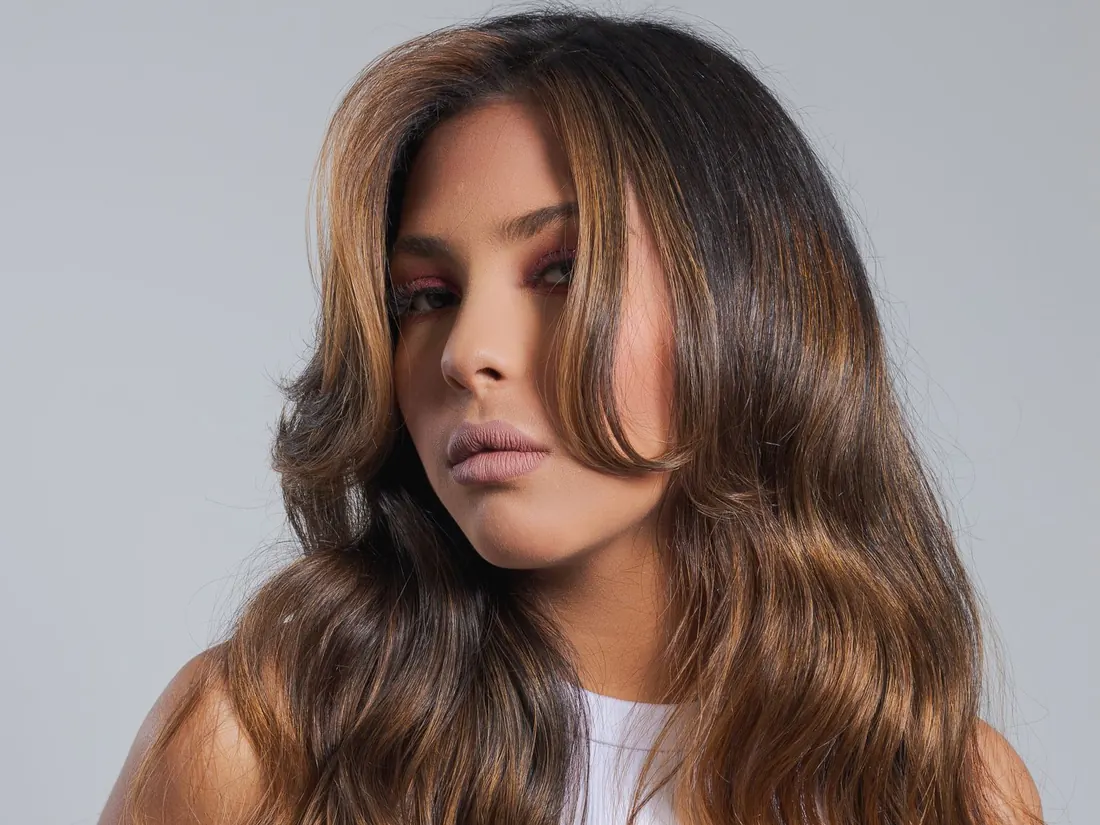
The word is French for sweeping. A colourist paints lightener freehand onto the surface of each section, heavier towards the ends and softer near the root. There is no hard line where the colour starts, so regrowth blends in instead of showing as a stripe.
Balayage, foils and ombré
- Foil highlights are saturated from close to the root and wrapped. They lift brighter and more evenly, and they grow out with a visible line.
- Balayage is painted in the open air, placed vertically, and lighter on the surface than inside the section. Softer, less bright, easier to grow out.
- Foilyage is balayage painted inside foils. The foil holds heat, so dark hair lifts further than open-air painting allows.
- Ombré is a horizontal fade from dark roots to light ends. Balayage places light where the sun would hit; ombré changes colour across the whole length.
Who it suits
Most hair from shoulder length down, straight, wavy or curly. Short hair leaves little room for the gradient. Dark hair lifts warm before it lifts light, so on brown or black hair expect caramel and honey tones first, and a toner to control the warmth. A paler result is possible, often over more than one appointment.
How long it takes
Two to four hours, cut and blow dry included. Long or thick hair sits at the long end. Most salons book it as a single long appointment, so plan the day around it.
Upkeep
The toner fades first. Expect it to need a refresh every six to eight weeks if you want the tone to stay the same. The lightened sections themselves grow out softly, and many people go three to six months between full balayage appointments. That long gap is the real saving over foils.
What drives the price
Salons price balayage very differently, and a starting price says little until you know what it covers. Four things move it most.
- Length and thickness: more hair takes more lightener and more time. Many salons charge by length.
- How light you go: a soft lift of one or two shades is quicker than going from dark to blonde, which may take more than one visit.
- What is included: toner, a bond builder such as Olaplex, the cut and the blow dry are often priced separately.
- Who does it: a senior colourist usually costs more than a junior stylist.
Ask for the full price for your length, with everything included, before you compare two salons.
Worth asking before you book
- Can we do a consultation first, and is a strand test part of it.
- Is the toner in the price, and the cut.
- Do you use a bond builder when lightening, and what does it cost.
- Can I see balayage you have done on hair like mine, photographed in daylight.
- How soon will the toner need a refresh, and what does that cost.
Bring photos of what you want and of what you do not want. Say everything your hair has been through: box dye, henna, a keratin treatment, earlier lightening. Henna and some box dyes react badly with lightener, and a strand test is how a good colourist finds out before it happens on your whole head. If you have never had colour before, ask for an allergy patch test 48 hours ahead.
Aftercare
- Wash with a gentle, sulfate-free shampoo. Many colourists suggest waiting two days after the appointment.
- On blonde or cool tones, a purple shampoo once a week keeps yellow away. On brown, a blue one does the same for orange. More often than that dulls the colour.
- Use a heat protectant every time you blow dry, curl or straighten. Lightened hair takes heat damage faster.
- Book the toner refresh before the brass shows, not after.
Searching for a salon near you tells you where it is, not how its colour looks a month later. On FSHNiSTA a salon claims its specialisms and shows the work behind them, so you can look at a colourist's balayage before you book.