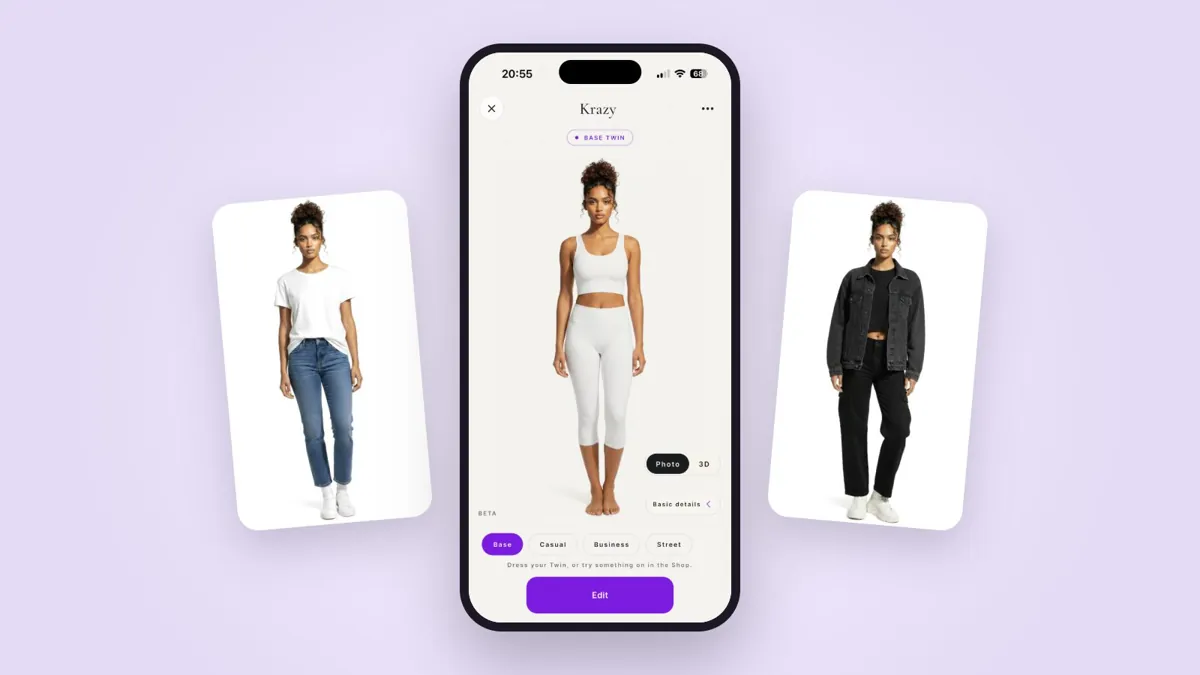
The term sounds technical. The idea is not. So what is a fashion digital twin, what does it do for you, and what should you expect from it today?
What is a fashion digital twin?
The phrase comes from engineering. IBM describes a digital twin as "a virtual representation of a physical object or system". Manufacturers use them to try a change, such as an upgrade to an assembly line, before they make it on the real thing.
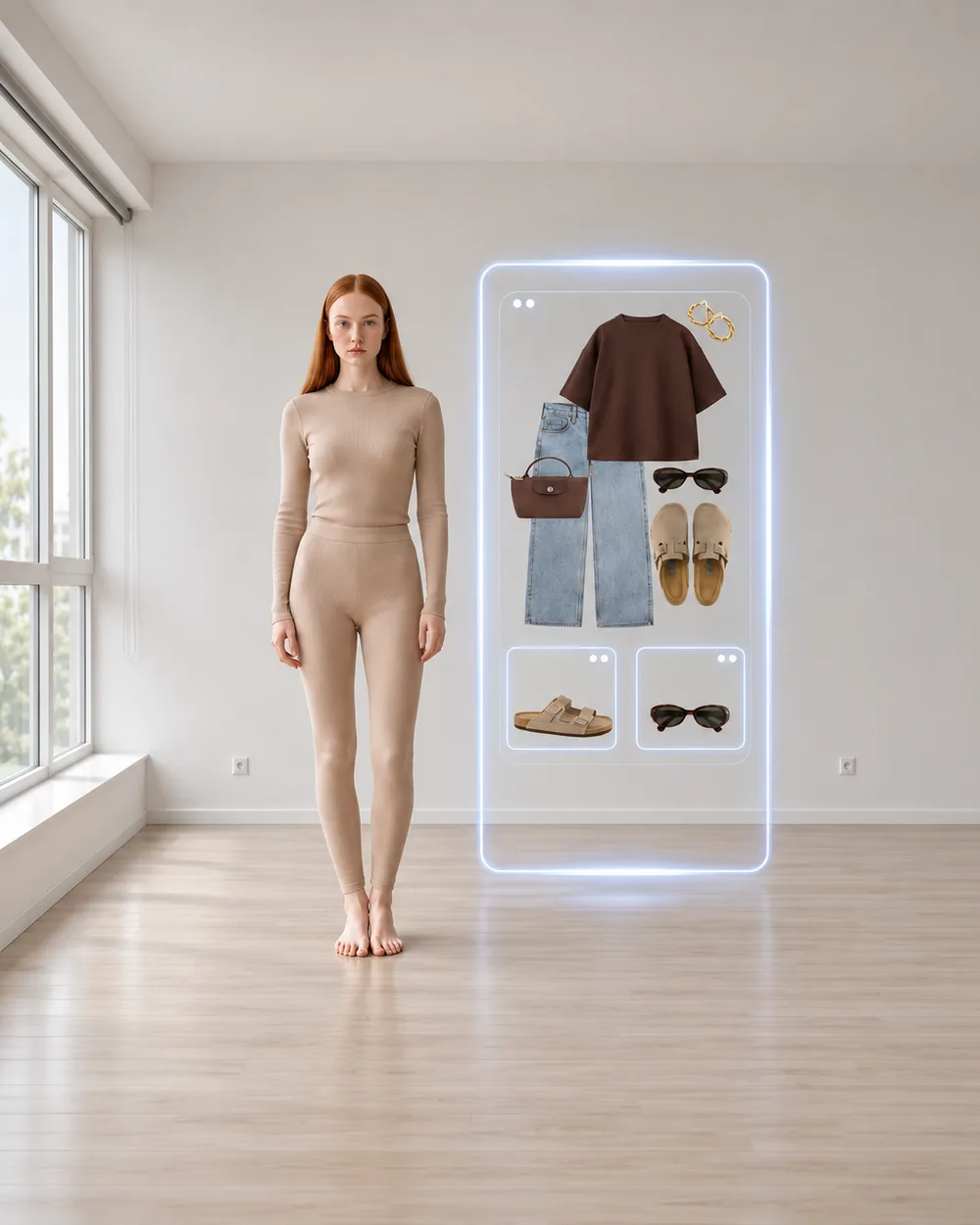
A fashion digital twin applies the same thinking to a person. It is a digital version of you, built from your own details, that clothes can be tried on before you spend money or time on them.
The important word is you. Most online shopping starts with the product and asks who might want it. A digital twin starts with the person and brings the product to them.
A picture of a garment versus a picture of you
Plenty of apps can paste a garment onto a photo. You tap, you get an image, and the next time you start again from zero. That is useful, but it is not a twin.
A twin is persistent. It is built once and then used again and again:
- It stays the same person. Every look, garment or style is applied to the same version of you, so you can compare outfits fairly.
- It is based on measurements, not guesses. Your body details sit behind the figure, so the question is not only "does this look nice?" but "is this my shape?".
- It should belong to you. Body details are personal. A twin worth using keeps them private and never sells them.
That difference matters most for fit. A single photo can make anything look good. A consistent, measured version of you makes it harder for a garment to hide what it would really do on your body.
What a digital twin does for your wardrobe
Try before you buy
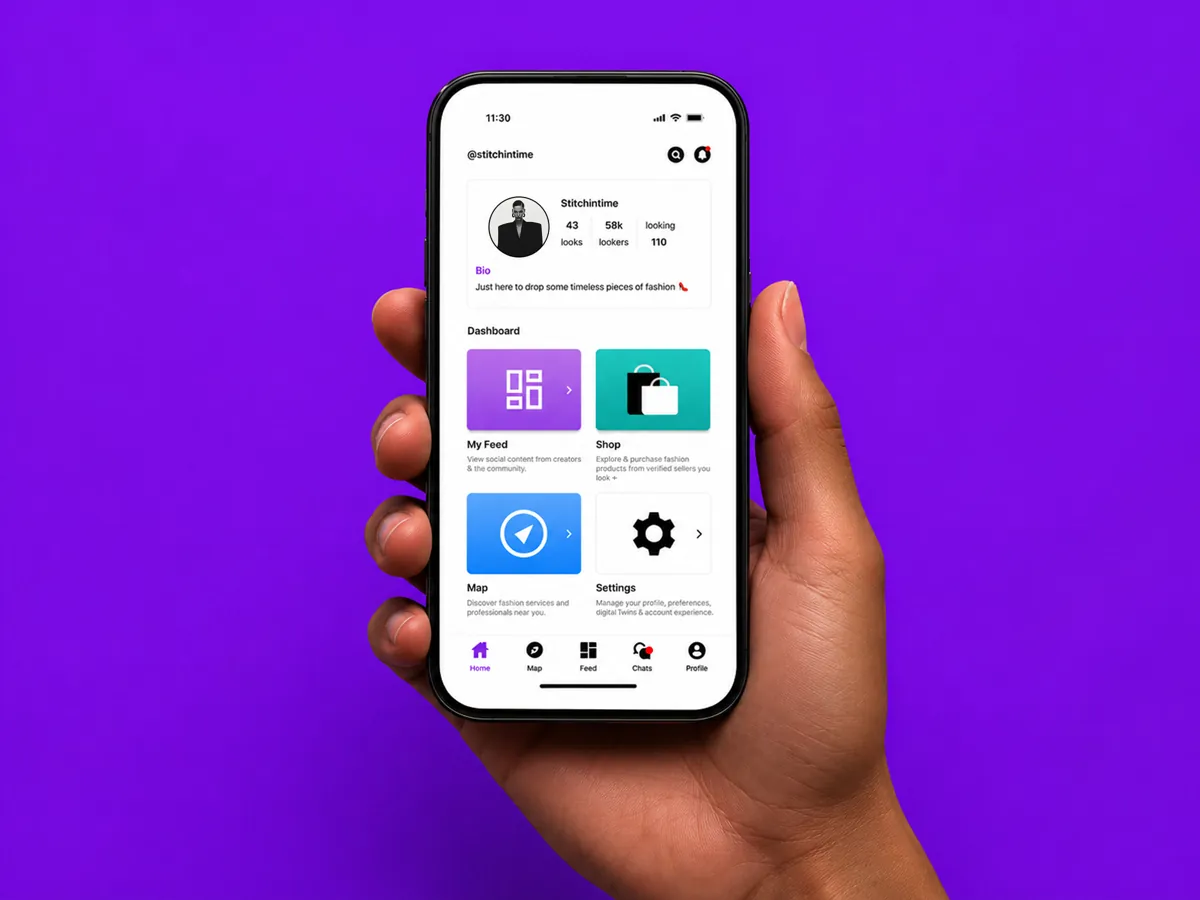
The obvious use: see a piece on your twin before it goes into your basket. On FSHNiSTA, products in the shop carry a Try on button that applies the garment to your twin.
Compare looks fairly
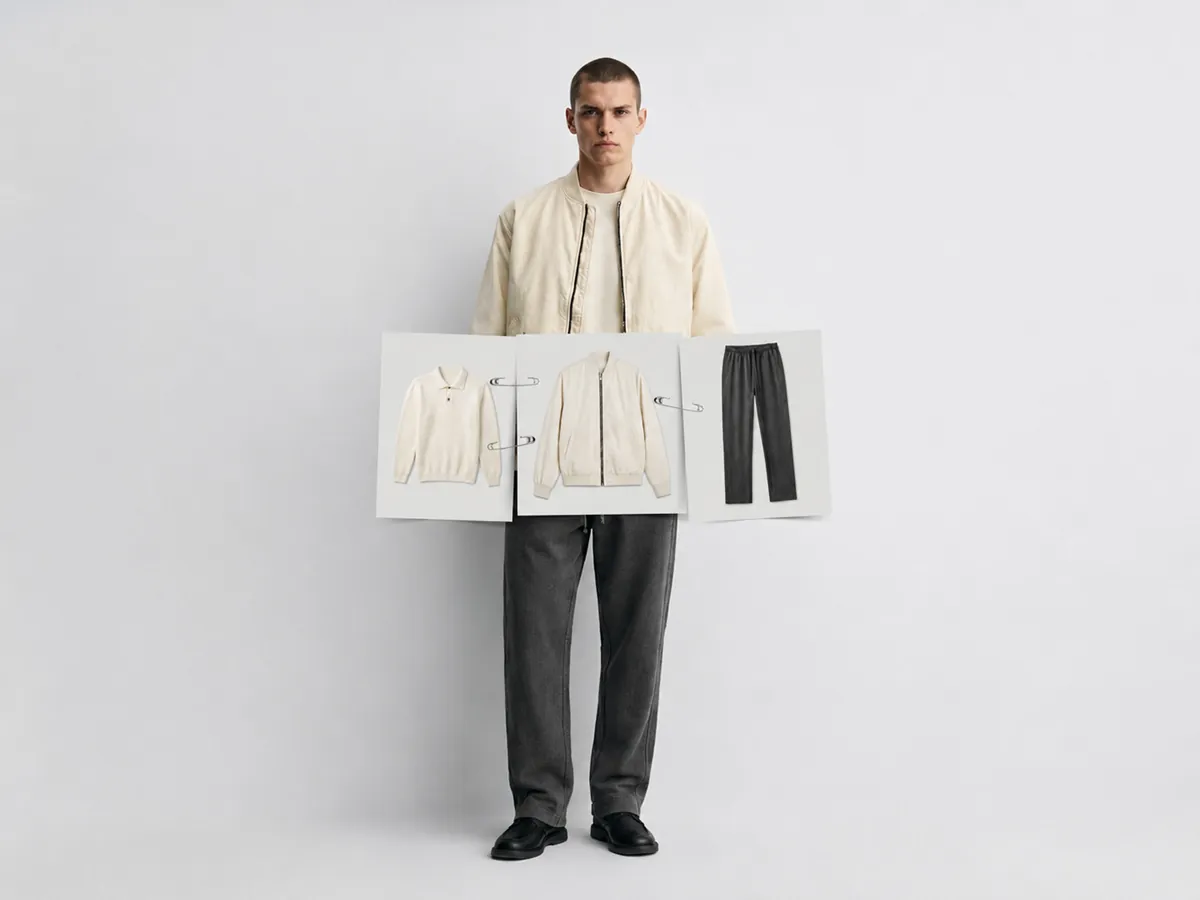
A wardrobe works best as a set, not a pile. When every piece lands on the same body, you are comparing clothes, not camera angles. You start to see which shapes and colours work for you, and which only worked on the model.
Shop with less guesswork
Doubts about fit usually arrive with the parcel. A twin will not remove every return, and nobody should promise that. What it does is move the moment of doubt to before you pay, where it belongs.
What a fashion digital twin is not
Being clear about limits is part of trusting the tool.
- It is not a mirror. A twin is a careful representation, not a photograph of you in the changing room. Fabric, light and movement still behave differently in real life.
- It is not finished technology anywhere. Rendering clothes accurately on every body is one of the hardest problems in fashion. Results improve quickly, but they are not perfect yet, on any platform.
- It is not a data giveaway. Your body details are personal. Our privacy notice sets out how FSHNiSTA handles yours.
Five questions to ask any digital twin
More apps will offer a version of you. Before you hand over your measurements, ask:
- Is it built from measurements or from a guess? A figure inferred from one photo is a different thing from one anchored to your numbers.
- Is it the same twin every time? If it resets with each try-on, you cannot compare anything.
- Does it work for your body? Ask which body types it has been calibrated for. An honest answer is a good sign.
- Who can see it? Your shape should not be visible to anyone you did not choose.
- Can you delete it? If the answer is unclear, so is the deal.
How the FSHNiSTA Digital Twin works today
FSHNiSTA is in testing with a small group of testers, so here is the honest picture of what runs today:
- Your base twin. You create a base twin from your details. It appears in neutral basics so the focus stays on your shape.
- Styles. You can switch your twin between styles such as Casual, Business and Street to see how your look changes.
- Try on from the shop. Pieces in the shop can be tried on your twin.
- A measured body. Behind the scenes, your measurements build a 3D body model, so fit is anchored to numbers rather than a guess.
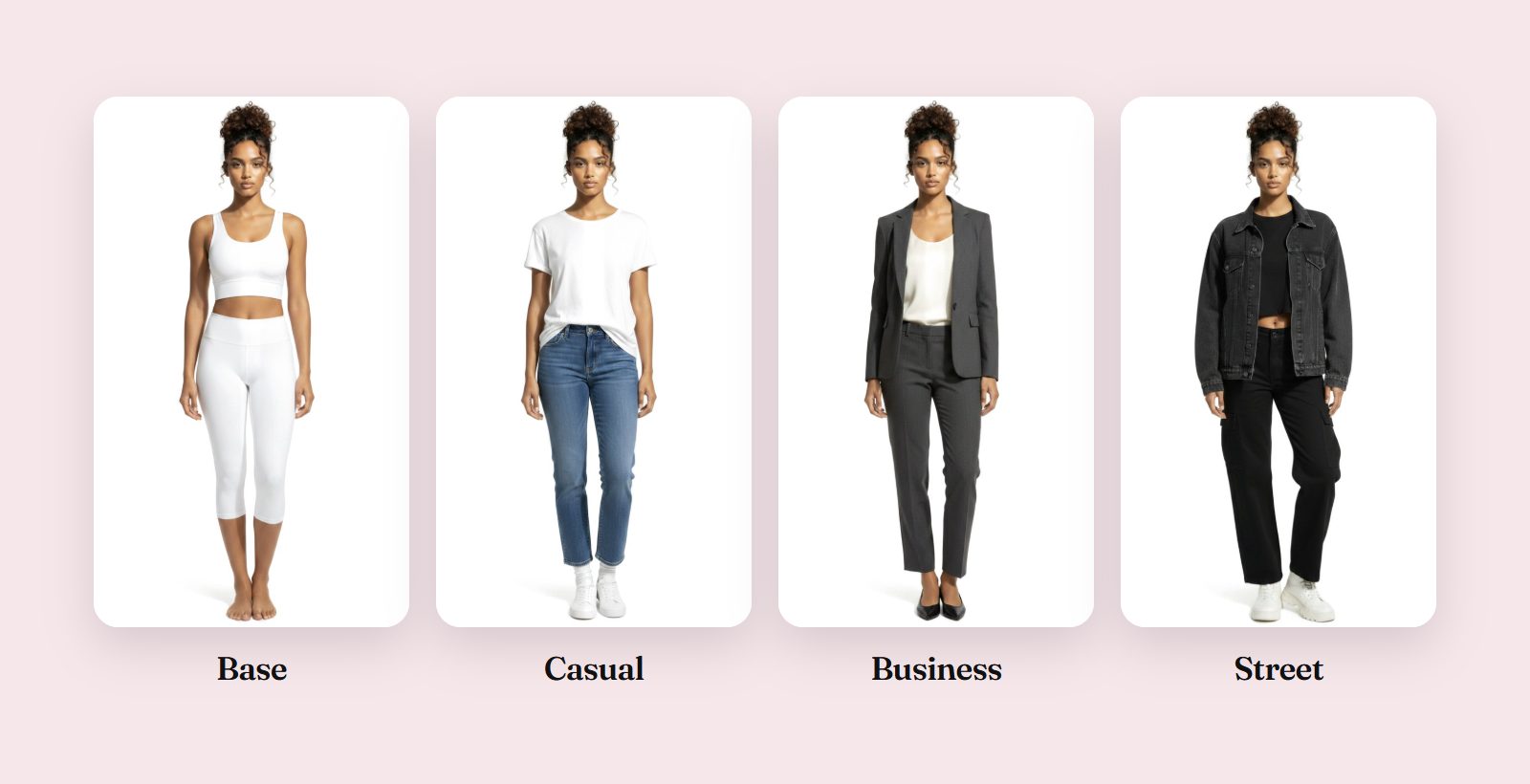
Body calibration started with female bodies and is being extended to more body types. Our own garment-rendering engine is in development. For the try-on step itself, read how virtual try-on works on your phone.
Why this matters
Fashion has always been personal, but online shopping rarely is. Feeds show what is popular. Product pages show what the brand wants you to see. A digital twin flips the order: it starts with you and asks how the world of clothes looks on your body.
That is the idea FSHNiSTA is built around. One identity, yours, used across shopping and styling.
Apply to become a FSHNiSTA tester to create your own Digital Twin.
Lead image: FSHNiSTA app